

Conveyor belt volume measurement
Operational visibility on the line
See inventory movement as it happens

Live burden volumetry on the belt: continuous scan and analytics for volume and flow to support production decisions.
All-weather, millimeter-class sections: adaptive filtering for dust and vibration; irregular bulk still yields stable cross-sections and totals for settlement-grade reporting.
Auto tonnage and inventory reports: density-aware conversion with timestamped exports; ERP/WMS hooks replace slow manual tallies.
Gradation oversight: rapid cross-section rebuilds flag oversize share and can cascade alerts to line control for crusher protection.
HOW IT WORKS
How it works
-
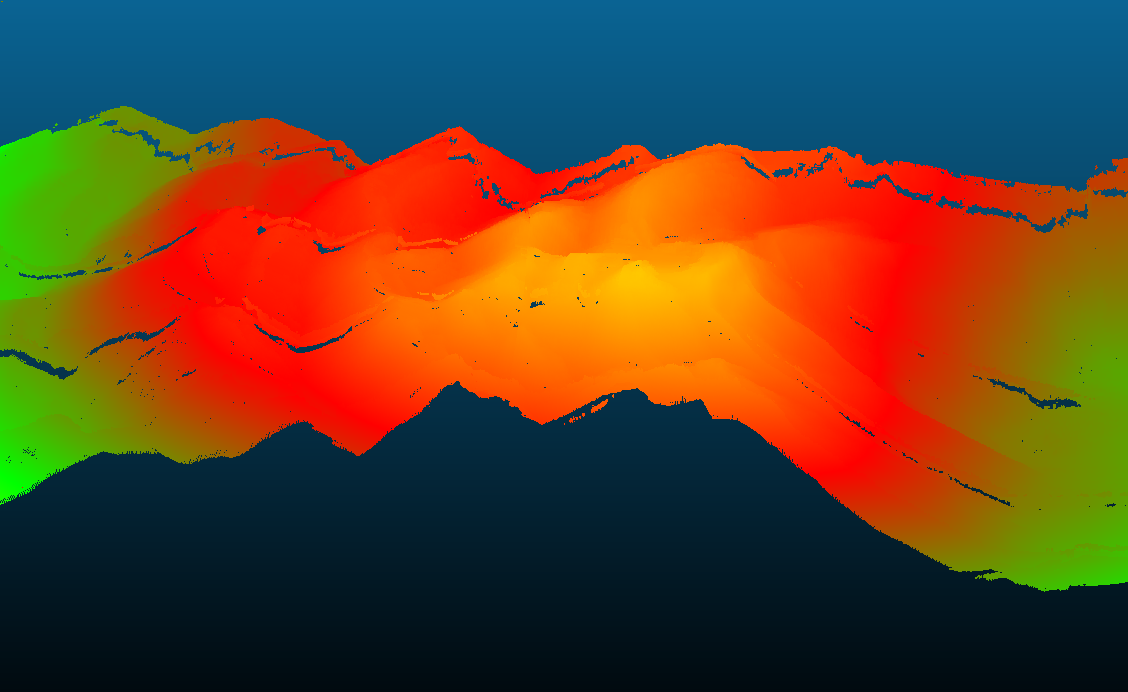
3D belt scanning
Over-belt or side-mounted LiDAR samples the burden profile continuously.
-
Dynamic contour integration
Cross-section area times belt speed yields volumetric flow and shift totals.
-
Intelligent filtering
Dust, splashes, and bracket reflections are suppressed for stable trends.
ARCHITECTURE
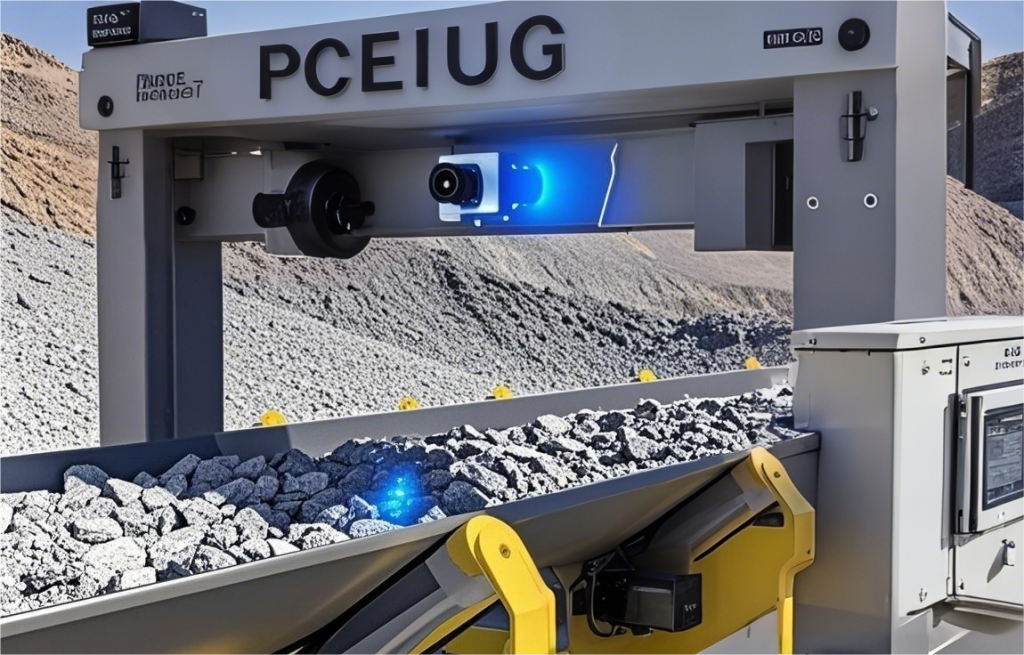
System diagram
-
Millimeter-class sections
Suitable for production accounting and process tuning.
-
Non-stop monitoring
Non-contact install decoupled from maintenance windows.
-
Live dashboards
Shift/day rollups with export and upstream hooks.
-
Plant-wide coordination
DCS, PLC, and MES connectivity patterns.
-
Industrial hardening
Mechanical and electrical design for dusty, humid mills.
Review your belt line
Share width, drop height, dust, and protocols—we advise mounting and sampling rates.
Contact us