
Indonesia PLN coal plant: belt conveyor volumetric measurement deployment
Adapts to multiple vehicle types and multiple spout scenarios, shortens single-vehicle operation time, and reduces manual intervention
Project background: coal logistics challenges for a national utility
Perusahaan Listrik Negara (PLN), one of Southeast Asia's largest power suppliers, operates the PLTU Tenayan coal-fired plant in Riau Province. Thousands of tonnes of coal move daily from the yard to boiler bunkers via the No. 04 belt conveyor. Traditional manual sampling and static metering created major pain points:
- Data lag: manual readings could not reflect coal flow in real time, disconnecting fuel dispatch from generation planning;
- Insufficient accuracy: coal density swings drove volume-to-mass conversion errors of up to about 15%, skewing cost accounting;
- Safety risk: staff had to work close to running conveyors, increasing operational hazard.
To break through, PLN and its technology partners launched the LiDAR real-time monitoring program, aiming to digitize the full coal-handling chain with industrial 3D vision.
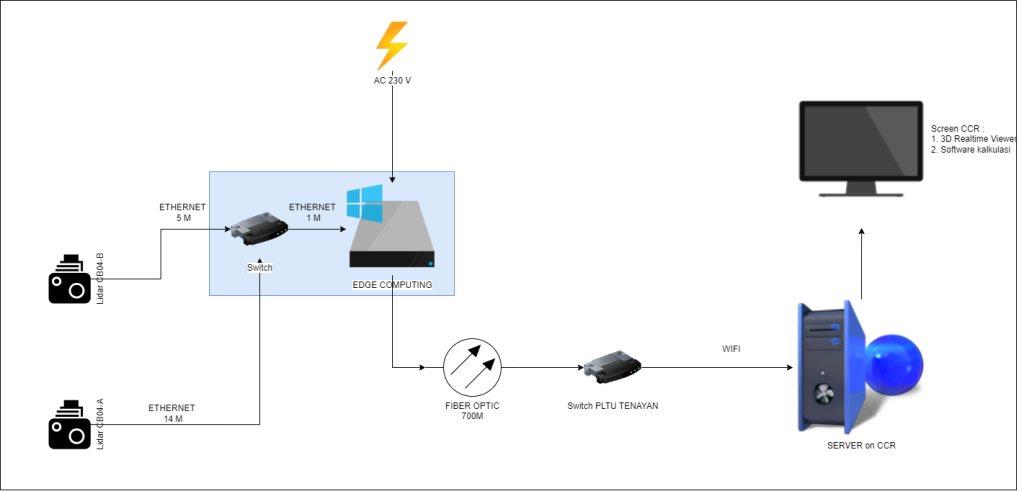
Technical approach: industrial LiDAR plus edge computing (HEGANG YUNCHANG)
The project uses industrial-grade LiDAR as the core sensor, paired with a tailored edge computing platform, to build an end-to-end intelligent monitoring system:
1. Hardware deployment: engineered for harsh industrial conditions
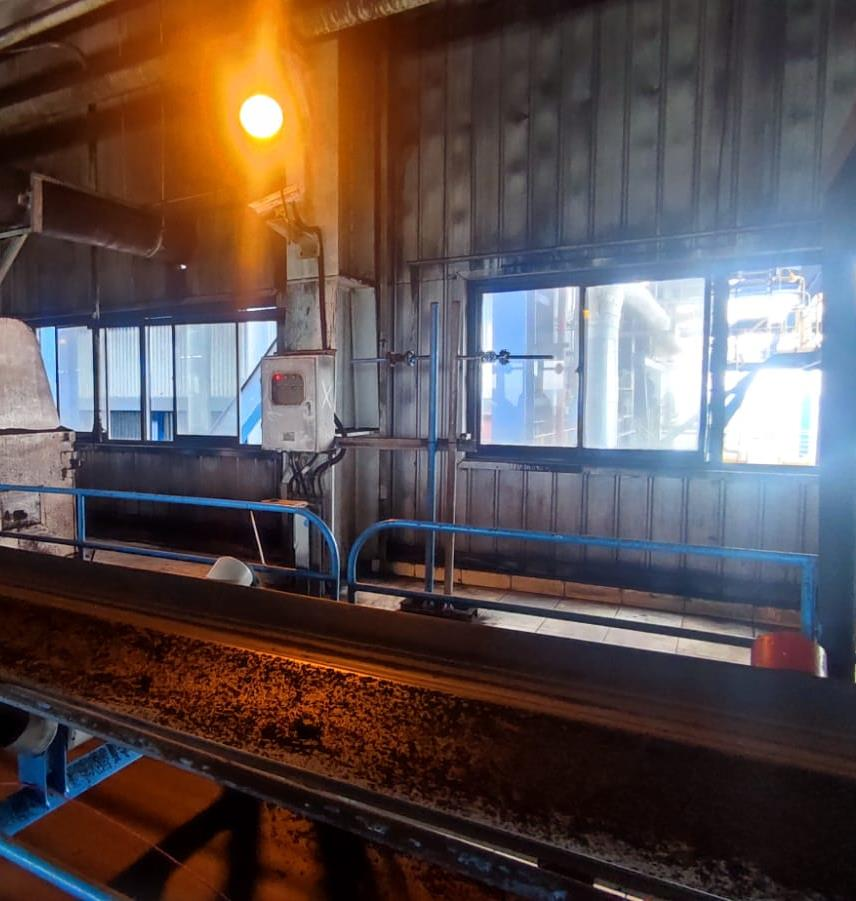
LiDAR selection:
- 270° horizontal field of view covers the full belt width; 40 m range suits high-speed transfer;
- IP65 and −25°C to +60°C rating for stable operation in dust and heat;
- 45 kHz sampling and 0.25° angular resolution capture over 200,000 points per scan.
Mounting design:
- Dual LiDAR units (04A/04B) at key conveyor nodes (2.55 m from belt centerline, 3.65 m height) to remove blind zones;
- Modular, removable brackets for fast service without long line shutdowns.
2. Algorithm engine: from point cloud to operational data
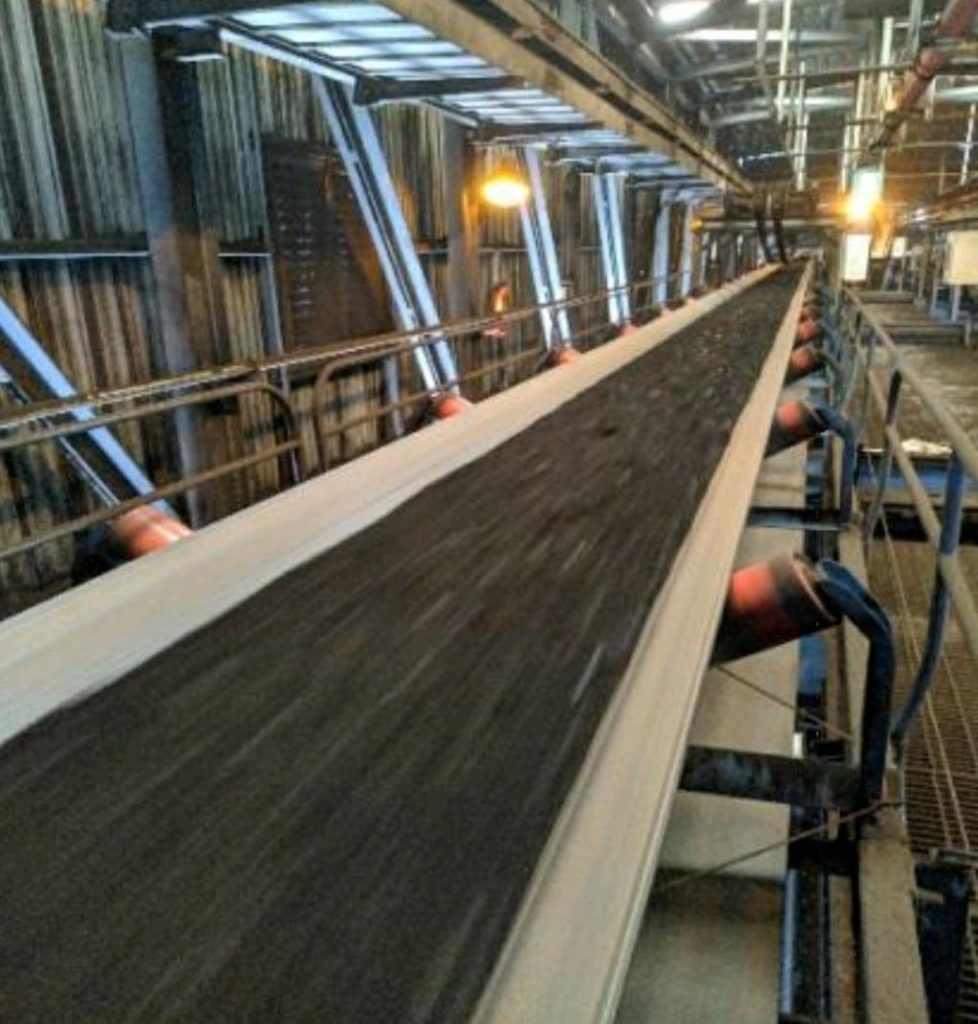
Dynamic baseline modeling:
- LiDAR scans the empty belt to build a baseline 3D model (V_empty);
- Live loaded-belt clouds (V_lidar) yield coal volume by difference: V_material = V_lidar − V_empty.
Multi-parameter fusion:
- Combine belt speed and historical density to output mass flow (t/h), cumulative tonnage (t), and bulk density (kg/m³);
- AI filters conveyor vibration and dust interference; measurement accuracy reaches about 98.5%.
3. System integration: closing the data loop
Edge compute nodes:
- On-site industrial servers process terabyte-scale point cloud data with under 500 ms latency;
- UDP/USB outputs integrate with the plant DCS.
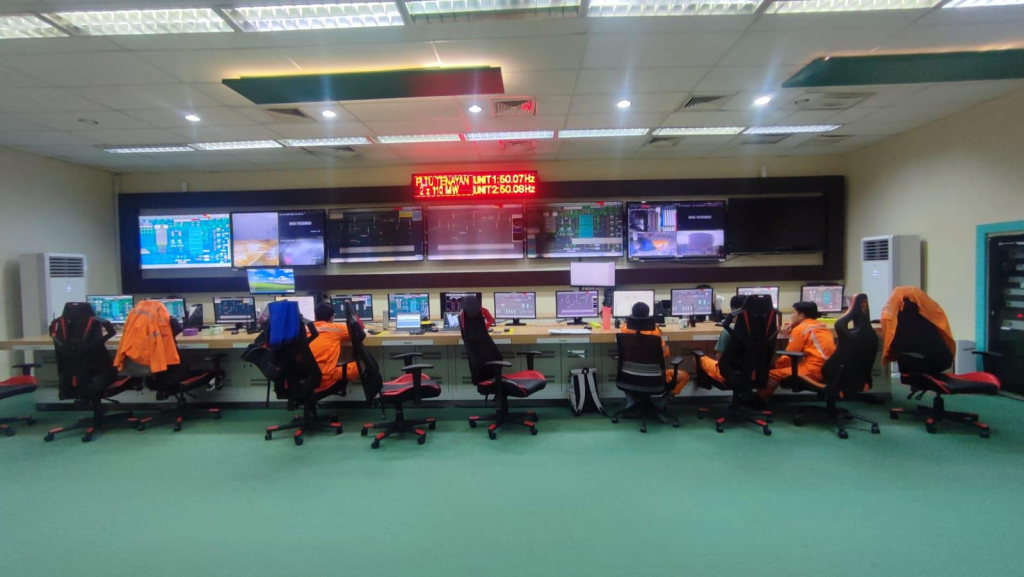
Central control room (CCR) visualization:
- Dual displays: live 3D coal-flow model plus trend dashboards;
- Alarms for blockages, off-center loading, and similar events with under 2 s response.
Implementation highlights: standardized delivery from design to go-live
1. Cabling: retrofit without outage
Fiber backbone:
- 700 m of interference-resistant single-mode fiber links edge nodes to the CCR;
- Concurrent acceptance during construction, using plant maintenance windows for routing to avoid production impact.
PoE power optimization:
- LiDAR and edge devices use PoE to simplify cabling;
- Redundant design targets 99.99% power reliability.
2. Joint validation: industry–university collaboration
Three-phase calibration with Institut Teknologi Sepuluh Nopember (ITS):
- Lab calibration: consistency across coal types and moisture;
- Empty-belt validation: 72-hour stability run;
- Loaded cross-check vs weighbridge: error under 1.2%.
Outcomes: three leaps enabled by digitization
| Dimension | Legacy mode | LiDAR system | Improvement |
|---|---|---|---|
| Data timeliness | Manual logs, 4–6 h delay | Real time, under 1 s latency | Scheduling efficiency up ~300% |
| Metering cost | ~USD 120k labor/year | Hardware O&M under USD 30k/year | ~75% lower operating cost |
| Safety risk | 2–3 high-risk approaches/month | Fully unattended | Workplace incidents toward zero |
Customer voice
- “After go-live, fuel inventory variance dropped from 8% to 0.5%, cutting annual losses from metering error by roughly USD 1.8 million. More importantly, we balanced generation planning with fuel supply dynamically for the first time.” — Operations director, PLN Tenayan plant
Core value tags: #intelligent loading #unattended operation #precise measurement #Industry40